




How To Help Your Child Think Critically?

Introduction:

Today, it is more vital than ever for students to learn how to think critically, as this is a talent that will be increasingly useful to them in the future. In today’s fast changing environment, children must be able to absorb, assess, and analyze information, compare it to previously obtained information, and create a plausible conclusion to solve the current situation. As a result, it is crucial to expose children to many methods of critical thinking so that they are better prepared to tackle challenges in the future.

What is Critical Thinking?

Critical thinking refers to the ability to analyze, appraise, and synthesize information in a logical and systematic manner. It entails actively and skillfully conceptualizing, applying, analyzing, synthesizing, and evaluating data obtained by observation, experience, reflection, reasoning, or communication. Critical thinking is a fundamental talent required for academic success, professional competence, successful communication, and informed decision-making in many areas of life. It enables people to think for themselves, understand difficult topics, and make well-informed decisions rather than accepting information at face value.

Ways To Develop Critical Thinking Skills Among Children

Encourage Questioning: Encourage your youngster to ask inquiries about their surroundings. Teach them that it is acceptable not to have all the answers, but to seek them out.
Engage in meaningful conversations with your child. Encourage them to share their thoughts and actively listen to what they have to say.


Expose Your Child to Diverse Perspectives: Use books, movies, and experiences to introduce your child to diverse points of view and cultures. This broadens their understanding of the world and tests their assumptions. Encourage your child to solve difficulties independently. Provide help and direction as needed, but let them to work through problems on their own.

Teach Decision-Making Skills: Help your child understand the consequences of their actions and decisions. Guide them in weighing options and making informed choices.

Use Open-Ended Questions: Instead of asking yes/no questions, ask open-ended questions that require critical thinking. For example, “Why do you think this happened?” or “What could be some alternative solutions?”

Model Critical Thinking: Let your child see you engaging in critical thinking processes. Talk through your reasoning when making decisions or solving problems, demonstrating how you consider different perspectives and evidence.

Encourage Creative Activities: Get your youngster involved in creative activities such as painting, writing, or building. These activities stimulate the mind and encourage unconventional thinking.

Play games that need strategy: Board games, puzzles, and strategy games are great ways to improve critical thinking skills. They necessitate planning, reasoning, and adjusting to changing circumstances.

Encourage your youngster to reflect: on their experiences and learning. Help them identify what they’ve learned, what they struggled with, and how they may better the next time.

Best-CBSE-School-In-Nashik

Understand the importance of communication skills for student in the classroom.

Communication skills are important for students for several reasons.

Best-CBSE-School-In-Nashik

Academic Success: Effective communication skills are essential to understanding and articulating concepts taught in a variety of subjects. Students who communicate clearly are able to ask questions, seek clarification, and participate in class discussions, which leads to better learning outcomes.

Interaction with peers: School is a social environment in which students interact with their peers on a daily basis. Good communication skills enable students to build friendships, collaborate on group projects, resolve conflicts amicably, and actively participate in extracurricular activities.

Teacher-Student Interaction: Clear communication between students and teachers is critical to academic progress. Students who are able to effectively express their questions, concerns, and ideas are more likely to receive the support and guidance they need to succeed in their studies.

Critical Thinking and Problem Solving: Effective communication develops critical thinking skills by encouraging students to analyze information, evaluate different points of view, and structure their ideas coherently. These skills are essential for problem solving both inside and outside of the classroom.

Building Confidence: Developing strong communication skills gives students more confidence to express themselves, whether they are giving presentations, participating in debates, or sharing their opinions in class discussions. This confidence carries over into many aspects of your academic and personal life.

Prepare for the future: In today’s connected world, communication skills are highly valued by employers. By improving communication skills in school, students are better prepared for future academic and professional endeavors, such as college admissions interviews, internships, and job interviews.

Digital Literacy: With the increasing use of technology in education, students need to develop digital communication skills such as composing emails, participating in online discussions, and using multimedia tools effectively. These skills are essential for navigating the digital environment inside and outside of school.

Cultural Understanding: Effective communication allows students to interact with peers from different cultural backgrounds, thereby promoting empathy, tolerance, and understanding.
This cultural competency is essential in today’s multicultural society and prepares students to become global citizens.

Leadership Development: Strong communication skills are essential to effective leadership.
By encouraging students to share their ideas, delegate tasks, and inspire others, the school helps develop the next generation of leaders who can make positive contributions to their communities.

Emotional Intelligence: Communication skills also include the ability to empathize, actively listen, and express emotions appropriately. Increasing emotional intelligence through effective communication helps students build meaningful relationships, manage conflict, and navigate social situations with empathy and understanding.

WhatsApp Image 2024-03-23 at 10.54.05

Holi – Celebrate The Festival of Colours

WhatsApp Image 2024-03-23 at 10.54.05

Holi, also known as the Festival of Colors, is one of the most vibrant and joyous festivals celebrated primarily in India and Nepal. It usually falls in March, marking the arrival of spring and the triumph of good over evil.

Here’s a brief overview of how Holi is celebrated:

Holika Dahan: The festival typically begins with Holika Dahan, also known as Choti Holi or Little Holi, which usually takes place on the night before the main day of Holi. People gather around a bonfire to perform religious rituals, symbolizing the victory of good over evil. This tradition is associated with the legend of Prahlad and Holika from Hindu mythology.

Playing with Colors: The main day of Holi is known as Rangwali Holi or Dhulandi, when people come together to play with colors. They smear each other with brightly colored powders called “gulal” or spray colored water using water guns and balloons. People sing, dance, and celebrate with friends, family, and even strangers in the streets.

Music and Dance: Music and dance are integral parts of Holi celebrations. People gather to sing traditional Holi songs, called “Holi ke Geet,” and dance to the beats of drums and other musical instruments. Bhang, a traditional cannabis-infused drink, is also consumed by some to enhance the festive spirit.

Sweets and Special Foods: Like most Indian festivals, Holi is also celebrated with a variety of traditional sweets and special foods. Gujiya, a sweet dumpling filled with khoya (milk solids) and dry fruits, is a popular Holi delicacy. Thandai, a chilled milk-based drink infused with spices and nuts, is also enjoyed during the festival.

Unity and Brotherhood: Holi transcends social barriers and brings people from all walks of life together. It is a time for forgiveness, reconciliation, and the strengthening of relationships. People forget their differences and come together to celebrate the joyous occasion with love and camaraderie.

Community Celebrations: Holi is not just celebrated within homes but also in public spaces, temples, and communities. Many cities and towns organize grand Holi events, complete with music, dance, and elaborate decorations, attracting locals and tourists alike.

Overall, Holi is a festival that celebrates the spirit of togetherness, happiness, and the vibrant colors of life. It is a time for renewal, positivity, and spreading love and joy to everyone around us.

Rudra the Best CBSE School In Nashikcomputer-gbb96f914d_640

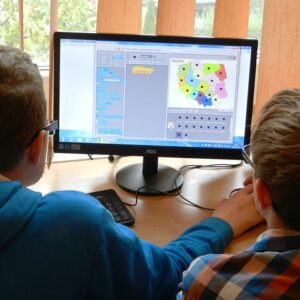
Parents’ Guide To Internet Safety For Children

Rudra the Best CBSE School In Nashikcomputer-gbb96f914d_640

Internet safety for children is a major concern for parents in today’s digital world. Here’s a thorough guide on ensuring your child’s safety online:

Open Communication: Have an open and honest conversation with your youngster about online safety. Encourage them to contact you with any questions or concerns they have about their online activities.

Set explicit Rules and Boundaries: Establish explicit restrictions for your child’s internet use, such as time limits, websites they can access, and the information they can share online.

Teach Them About Privacy: Educate your youngster on the necessity of keeping personal information private online. Teach children not to give their entire name, address, phone number, or other personal information with strangers online.

Use Parental Controls: Use parental control tools and settings on devices and internet browsers to limit access to inappropriate content and keep track of your child’s online activities.

Monitor Their Online behavior: Keep track of your child’s online behavior, including the websites they visit, the individuals they engage with, and the content they consume. Keep an eye out for evidence of cyberbullying or inappropriate behavior.

Educate Them About Cyberbullying: Inform your child about the hazards of cyberbullying and how to respond if they are bullied online. Encourage them to tell you or a trustworthy adult if they are being cyberbullied.

Encourage Safe Social Media Use: If your child is old enough to use social media, talk about safe practices with them, like setting privacy settings, being cautious about accepting friend requests from strangers, and thinking before putting anything online.

Teach Critical Thinking Skills: Help your child develop the ability to assess the authenticity of internet content and recognize potential threats and scams.

Lead by Example: Set a good example for your youngster by using the internet responsibly and safely yourself. Show children how to use the internet safely and ethically.

Stay informed and up to date. Stay up to date on the most recent internet safety trends and concerns for children. Regularly educate yourself on new applications, websites, and internet threats that your child may face.

Encourage Offline Activities: Encourage your child to engage in offline activities such as sports, hobbies, and spending time with friends and family in order to balance their screen usage and boost general well-being.

Seek Help When Needed: If you’re unclear how to address a specific internet safety issue, or if you believe your child is being targeted online, don’t be afraid to seek assistance from school counsellors, police enforcement, or online safety organisations.

Rudra the Best CBSE School In Nashik

Top 5 Benefits Of Playing Sports For Students

Rudra the Best CBSE School In Nashik

Playing sports has numerous benefits for students that go far beyond physical health. Here are the top five advantages:

Physical Health: Participating in sports encourages students to live a healthy lifestyle by improving physical fitness, muscle growth, cardiovascular health, and coordination. Regular physical activity can also reduce the risk of obesity, diabetes, and other health problems, resulting in a higher quality of life.

Sports are a great way for students to develop social skills including teamwork, communication, and leadership. Students learn how to collaborate, manage problems, and work towards common goals through interactions with teammates, coaches, and opponents, all of which are necessary skills for success in both personal and professional lives.

Academic Performance: Research has demonstrated that sports participation correlates with academic performance. Regular physical activity can enhance cognitive function, focus, and memory, resulting in greater academic performance. Furthermore, the focus and time management skills required for sports engagement can lead to better study habits and academic performance.

Emotional Well-being: Sports offer an outlet for students to release stress, frustration, and anxiety. Physical activity triggers the release of endorphins, which are natural mood enhancers, helping students feel happier and more relaxed. Furthermore, sports teach resilience, perseverance, and coping strategies, which are valuable for managing challenges both on and off the field.

Lifelong Lessons: Sports teach vital life lessons and qualities including discipline, dedication, respect, and sportsmanship. Students learn to create objectives, work hard to accomplish them, and gracefully accept both successes and failures. These characteristics not only help pupils succeed in athletics, but also prepare them for life’s obstacles.

Overall, playing sports offers a holistic approach to student development, fostering physical, social, emotional, and cognitive well-being while imparting valuable life skills that extend far beyond the realm of athletics.